

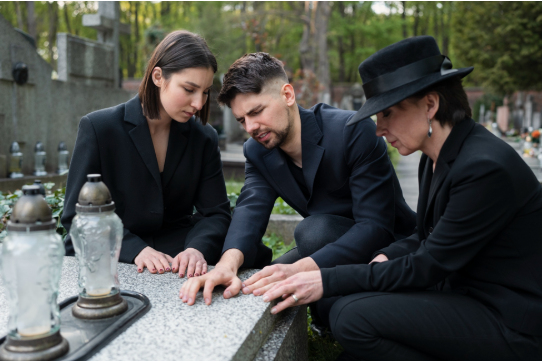

When a loved one passes away, families often have to make important decisions while they’re still processing the loss. When you aren’t aware of the options, it can seem quite a bit. If you have an idea of how cremation works and what memorials you may have, then it is a little easier to deal with the process.
There’s no correct or incorrect way to say goodbye. The goal is to find an arrangement that respects your loved one and feels meaningful to the people left behind.
Understand What Cremation Services Include
Not all providers are the same, and it is important to know what is provided before you select a provider. Some cremation services specialize in direct cremation, which is usually performed without a viewing or funeral beforehand. Some may provide other arrangements or assist families in planning an alternative memorial.
Services may be included in packages and may include transportation, necessary paperwork, permits, care of the deceased, cremation, and return of the cremated remains. Request a breakdown of the fee and explain any extra costs.
What Happens During Cremation
The process may seem unfamiliar, but a provider should be able to explain it clearly and compassionately. Usually, authorization and paperwork are done first, and the deceased person is kept in secure storage until the cremation can be arranged.
Cremation involves the use of special equipment to pulverize the body into bone fragments and crush these fragments into the remains known as ashes. The identification process is carried out during the entire process, and the remains are made ready for return to the designated family member.
Memorial Options That Feel Personal
A memorial doesn’t have to follow a particular format to be meaningful. For some families, it would be preferred to have a traditional funeral at the home or place of worship. Some other people hold a small funeral or celebration of life at home, in a garden or other place that was significant to their loved one.
You can share photographs, play favorite music, invite people to tell a story, or even cook her or his favorite food. These personal additions can help to make the event more relaxed and more connected to the life being remembered.
There are also a number of families that prefer to have the memorial following on from the cremation service. This gives relatives more time to travel, coordinate schedules, and plan a tribute without feeling rushed.
Decide What to Do With the Cremated Remains
The ashes of the deceased can be disposed of in various ways depending on cultural and personal preferences and local laws. Some opt to keep a decorative urn at home; others arrange a burial in a cemetery or columbarium.
Where permitted, an alternative is scattering. A meaningful location might be a favorite outdoor spot or a place connected to treasured memories.
Give Yourself Time to Remember and Heal
Arranging is just one aspect of saying goodbye to your loved ones. There is no particular time for the grieving process, and there are some things that can comfort different families.
Ultimately, cremation and memorial planning are about more than logistics. They’re about creating space to remember a life, share stories, and support one another. With clear information and a caring provider, families can make thoughtful choices at their own pace and find a way to say goodbye that feels right for them.