

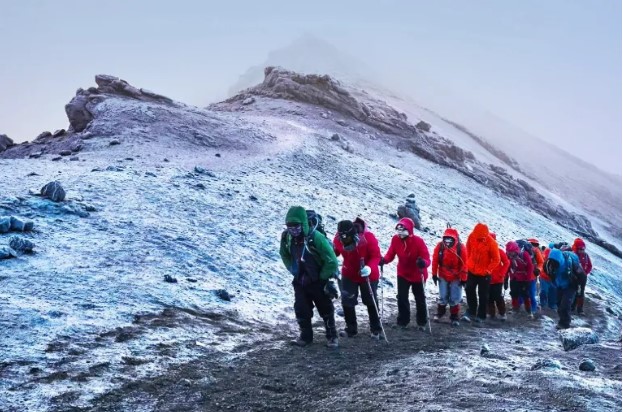

Mount Kilimanjaro stands as Africa’s highest peak and one of the world’s most iconic trekking destinations. At 5,895 meters above sea level, this majestic stratovolcano offers adventurers the unique opportunity to reach extreme altitude without technical climbing skills. Mountain climbing Kilimanjaro has become a bucket-list achievement for thousands of trekkers annually, combining physical challenge with spectacular natural beauty and the profound satisfaction of standing atop the “Roof of Africa.”
What distinguishes Kilimanjaro from other high-altitude peaks is its remarkable accessibility. Unlike mountains requiring rope work, ice climbing, or dangerous exposure to cliffs, Kilimanjaro welcomes determined hikers with proper preparation. However, this accessibility shouldn’t obscure the mountain’s genuine challenges—altitude sickness affects many climbers, extreme temperatures test endurance, and the physical demands require serious fitness. Understanding both the opportunity and the challenge is essential for successful summit attempts.
Understanding Kilimanjaro’s Unique Environment
Mount Kilimanjaro rises in isolation near the equator, creating a vertical journey through five distinct climate zones compressed into one mountain. Trekkers begin in cultivated farmland where local Chagga communities grow coffee and bananas on fertile volcanic soil. The trail then enters lush montane rainforest teeming with colobus monkeys and exotic birds, where mist clings to moss-covered trees and the air smells richly of vegetation.
Above the forest, the landscape transforms into heath and moorland dominated by giant heathers and bizarre plants like groundsels and lobelias found nowhere else on Earth. These unique species evolved extraordinary adaptations to survive nightly freezing and intense daytime sun. Higher still, the alpine desert zone presents barren volcanic terrain where extreme temperatures and minimal rainfall create Mars-like landscapes supporting only hardy lichens.
Finally, the summit zone features permanent glaciers and ice fields, though climate change has dramatically reduced ice coverage. Scientists predict these ancient glaciers may disappear within decades, making each climb a chance to witness disappearing natural wonders. This ecological diversity makes Kilimanjaro as much an environmental education as an athletic achievement.
Choosing Your Route to the Summit
Kilimanjaro offers seven official routes, each with distinct characteristics affecting success rates, scenery, and experience. The Marangu Route provides hut accommodations over 5-6 days, appealing to those preferring shelter over camping. However, the compressed timeframe limits acclimatization, resulting in only 50-60% success rates. The Machame Route is the most popular camping option, offering spectacular scenery over 6-7 days with 70-75% success rates through better acclimatization profiles.
The Lemosho Route represents the premium choice, providing 7-8 days of remote wilderness trekking with exceptional acclimatization and 85-90% success rates—the highest on the mountain. The Rongai Route approaches from the north, offering drier conditions and wilderness character over 6-7 days. The Northern Circuit delivers the ultimate experience through complete mountain circumnavigation over 8-9 days, achieving over 90% success rates but at premium cost.
Route selection directly impacts your summit probability. Longer routes allow proper acclimatization—the key factor separating successful climbers from those forced to turn back. While budget considerations matter, investing in extended itineraries dramatically improves your chances of reaching Uhuru Peak while reducing altitude-related discomfort throughout the trek.
Physical Preparation and Training
Mountain climbing Kilimanjaro demands solid cardiovascular fitness, muscular endurance, and mental toughness. While elite athletic ability isn’t required, the physical demands exceed typical vacation activities and necessitate dedicated preparation. Begin training 3-6 months before departure, focusing on building aerobic capacity through hiking, running, cycling, or stair climbing.
The most specific training involves long hikes with significant elevation gain. Aim for weekly hikes building to 6-8 hours duration with 1,000+ meters of climbing while carrying a weighted pack. These extended efforts condition your body for Kilimanjaro’s daily 4-7 hour treks and prepare you mentally for sustained physical exertion. Strength training for legs, core, and shoulders supports the hiking demands and helps prevent injuries.

Mental preparation proves equally important. Summit night will test your psychological limits through cold, darkness, exhaustion, and altitude effects. Develop strategies for managing discomfort and maintaining motivation when conditions feel overwhelming. Visualization exercises where you mentally rehearse challenging scenarios and successful outcomes build resilience that proves invaluable during actual summit attempts.
Mastering Altitude Acclimatization
Altitude represents Kilimanjaro’s primary challenge and the main reason climbers fail to summit. At the peak, atmospheric pressure is approximately 50% of sea level, meaning each breath delivers only half the normal oxygen. Your body requires time to adapt through increased breathing rate, elevated heart rate, and enhanced red blood cell production.
Acute Mountain Sickness (AMS) develops when ascent outpaces your body’s adaptation capacity. Symptoms include headache, nausea, fatigue, dizziness, and sleep disturbance. These typically emerge above 2,500 meters and worsen with continued ascent if acclimatization is inadequate. AMS can progress to life-threatening conditions like High Altitude Pulmonary Edema (HAPE) or High Altitude Cerebral Edema (HACE), both requiring immediate descent.
Effective acclimatization strategies begin with route selection—choosing longer itineraries with gradual elevation profiles. The principle “climb high, sleep low” means hiking to higher elevations during the day before descending to sleep at lower camps. Maintain disciplined slow pacing following the Swahili mantra “pole pole” (slowly, slowly). Drink 4-5 liters of water daily, as dehydration exacerbates altitude symptoms. Force yourself to eat regularly even when appetite diminishes, as your body needs substantial calories for hiking, acclimatization, and temperature regulation.
Essential Gear and Equipment
Proper equipment significantly impacts your comfort, safety, and summit success. Kilimanjaro’s temperature range from tropical heat to -25°C summit cold demands versatile layering systems. Base layers should wick moisture efficiently using synthetic or merino wool fabrics. Mid-layers like fleece jackets provide insulation, while a down or synthetic insulated jacket rated for extreme cold is essential for summit night.
Waterproof-breathable rain jacket and pants protect against precipitation at any elevation. Well-broken-in waterproof hiking boots with solid ankle support serve for most of the trek, with additional insulation needed for summit night through heavier boots or insulated booties. A four-season sleeping bag rated to -15°C ensures warm rest at high camps.
Critical accessories include warm beanie, sun hat, neck gaiter, high-UV sunglasses, liner gloves and insulated mittens, reliable headlamp with spare batteries, and trekking poles for stability and knee protection. A 30-40 liter daypack carries water, snacks, layers, and personal items. Bring sunscreen (SPF 50+), lip balm, personal first aid kit, water purification tablets, and high-energy snacks.
Many items can be rented in Tanzania, reducing luggage and costs for one-time climbers. Tour operators or rental shops in Arusha and Moshi offer sleeping bags, trekking poles, and cold-weather clothing at reasonable rates.
Selecting a Reputable Tour Operator
Your climbing company profoundly influences every aspect of your Kilimanjaro experience. Tanzania requires all climbers to use licensed guides and registered operators, but quality varies enormously. Research operators thoroughly through independent review platforms, examining safety protocols, guide qualifications, and emergency procedures.
Quality operators maintain comprehensive first aid kits, portable oxygen, and pulse oximeters for monitoring health. Guides should hold Wilderness First Responder certifications with extensive experience recognizing altitude illness. Ethical operators follow Kilimanjaro Porters Assistance Project (KPAP) guidelines, limiting porter loads to 20 kg, providing proper equipment and shelter, and paying fair wages.

Supporting companies prioritizing porter welfare promotes industry improvements while ensuring your climb doesn’t exploit vulnerable workers. Environmental practices also matter—responsible operators follow Leave No Trace principles, pack out all waste, and contribute to conservation efforts. While budget operators offer lower prices, they often compromise on safety, ethics, or equipment quality. Investing in reputable companies improves your success probability while supporting responsible tourism.
Best Times to Climb
Kilimanjaro can be climbed year-round, though distinct seasons affect conditions and success rates. January-March and June-October represent optimal periods, offering stable weather, clear skies, and minimal precipitation. January-March provides cold but clear conditions with spectacular snow coverage and moderate crowds. June-October sees peak traffic with warmest summit temperatures but maximum crowding on popular routes.
April-May brings heavy long rains creating muddy trails and challenging conditions. Most trekkers avoid these months, though adventurous climbers find dramatic solitude and 30-50% discounts. November-December experiences brief afternoon showers with reasonable conditions, moderate crowds, and negotiable pricing—excellent value for flexible travelers.
Weather can change rapidly regardless of season. Guides monitor forecasts closely and may delay summit attempts if dangerous conditions develop. Most quality itineraries include flexibility for 24-hour delays without compromising overall schedules.
The Summit Night Experience
Summit night represents Kilimanjaro’s ultimate test. Wake-up calls occur around 11:00 PM for departure near midnight, timed to reach the summit at sunrise when conditions are typically calmest. The 6-8 hour ascent to Stella Point and ultimately Uhuru Peak challenges every aspect of physical and mental preparation.
Temperatures plunge to -20°C or colder as you climb through darkness with only headlamps illuminating the path. The extreme altitude makes every step require conscious effort. Headaches intensify, nausea becomes overwhelming, and exhaustion tests determination. The pace seems impossibly slow, yet even this conservative speed challenges oxygen-deprived bodies.
After hours that feel eternal, Stella Point emerges at dawn—the crater rim reached at 5,739 meters. Sunrise illuminates glaciers in golden light while relief floods through exhausted bodies. The final 1-2 hours to Uhuru Peak feels almost easy with daylight and visible destination. Reaching the summit at 5,895 meters delivers indescribable emotions—relief, joy, pride, and wonder. After brief celebration at the iconic signboard, the long descent begins, returning to thicker air where bodies rapidly recover.
Daily Life on the Mountain
Understanding typical daily patterns helps set realistic expectations. Mornings begin around 6:30 AM with hot washing water and hearty breakfast. Trekking starts by 8:00 AM, with guides setting sustainable pace and regular rest stops every 45-60 minutes for hydration, snacks, and acclimatization monitoring. Lunch occurs at scenic locations around midday, with cooks producing hot meals in wilderness settings.
Afternoon hiking continues to camp, typically arriving by 2:00-4:00 PM. Tents are already erected by the efficient porter team, with hot washing water and afternoon tea awaiting. Dinner around 7:00 PM brings multi-course meals showcasing impressive camp cooking. Post-dinner health checks measure oxygen saturation and heart rate while guides assess each trekker’s condition. Most retreat to sleeping bags by 8:00-9:00 PM for quality rest supporting recovery and acclimatization.
Conclusion
Mountain climbing Kilimanjaro offers a transformative adventure combining physical challenge, natural beauty, and personal achievement. This remarkable mountain welcomes properly prepared trekkers to experience high-altitude mountaineering without technical climbing requirements. Success demands thorough preparation including months of physical training, intelligent route selection prioritizing acclimatization, quality equipment investment, ethical operator selection, and mental resilience to persevere through difficult moments.
The experience transcends simple summit achievement. Trekkers journey through five climate zones, each with unique ecosystems and spectacular beauty. Meaningful interactions with guides and porters provide cultural exchange and perspective on Tanzanian traditions. The challenges reveal personal capabilities while building confidence applicable throughout life. Beyond individual accomplishment, responsible trekking supports local communities economically while demonstrating conservation value for protecting this threatened natural wonder.
As climate change threatens Kilimanjaro’s iconic glaciers with disappearance within decades, each climb carries added significance—witnessing natural wonders while contributing to economic incentives for conservation. Whether motivated by bucket-list aspirations, personal challenge, or love of mountains, those who reach Uhuru Peak join a global community united by this shared achievement. The lessons learned—patience, determination, humility before nature—ripple through all life aspects long after descent, making Kilimanjaro not merely a destination but a catalyst for personal growth and transformed perspective.
Key Takeaways
- Accessible Yet Challenging: Kilimanjaro requires no technical skills but demands serious preparation, proper acclimatization, and respect for altitude challenges that cause one-third of climbers to fail.
- Route Length Determines Success: Seven to nine-day routes achieve 85-95% success rates versus 50-65% for shorter options through superior acclimatization opportunities.
- Altitude Adaptation Critical: Gradual ascent, “climb high sleep low” profile, slow pacing, and 4-5 liters daily hydration prevent altitude sickness causing most failures.
- Training Essential: Begin 3-6 months before departure, building cardiovascular endurance and leg strength through progressive hiking with elevation gain.
- Proper Gear Required: Temperature extremes demand comprehensive layering systems, quality boots, four-season sleeping bag, and reliable equipment.
- Ethical Operators Matter: Choose companies supporting fair porter treatment through KPAP partnerships while maintaining strong safety protocols and environmental practices.
- Seasonal Timing Important: Dry seasons (January-March, June-October) offer optimal conditions while wet seasons provide discounts for adventurous climbers.
- Summit Night Ultimate Test: The midnight to sunrise push requires every aspect of preparation, determination, and resilience to overcome extreme challenges.
Frequently Asked Questions
How difficult is climbing Kilimanjaro?
Kilimanjaro requires solid fitness but no technical climbing skills. The challenge lies in sustained multi-day hiking at progressively higher altitudes with reduced oxygen. Daily treks last 4-7 hours, culminating in a 12-15 hour summit day. Altitude sickness causes most failures rather than physical difficulty. With proper preparation, acclimatization through longer routes, and determination, reasonably fit individuals successfully summit regularly.
What is the success rate for Kilimanjaro?
Overall success rates average 65%, varying dramatically by route. Shorter 5-6 day routes achieve 50-65% success, while 7-8 day routes reach 85-90%, and 9-day routes exceed 90%. Operator quality significantly impacts success through proper pacing and experienced guides. Altitude sickness causes approximately 75% of failures, with exhaustion, weather, and injuries accounting for most remaining failures.
How much does a Kilimanjaro climb cost?
Total costs range from $2,500-$8,000+ depending on route, operator, and services. Budget operators charge $1,500-$3,000 for shorter routes but often compromise on safety, porter welfare, or equipment. Premium operators charge $4,000-$7,000+ for longer routes with superior service and ethics. Additional costs include tips ($250-350), gear rentals ($200-500 if needed), flights, visa ($50-100), vaccinations, and insurance.
When is the best time to climb?
January-March and June-October offer optimal conditions with stable weather and clear skies. January-March provides cold conditions with spectacular snow and moderate crowds. June-October sees peak traffic with warmest summit temperatures. Avoid April-May during heavy rains unless seeking solitude and major discounts. November-December offers good value with brief afternoon showers and moderate crowds.
Do I need previous climbing experience?
No previous mountaineering experience is required. Kilimanjaro involves hiking on established trails without technical climbing, rope work, or dangerous exposure. However, experience with multi-day hiking helps. Physical fitness, altitude tolerance, and mental determination matter more than climbing experience. Complete practice hikes of 6-8 hours to ensure comfort with extended trekking before attempting Kilimanjaro.
What causes people to fail to reach the summit?
Altitude sickness causes approximately 75% of failures, manifesting as severe headache, nausea, extreme fatigue, or dangerous progression to HAPE or HACE. Exhaustion accounts for most remaining failures, often combined with altitude effects. Hypothermia, pre-existing medical conditions, injuries, or dangerous weather also prevent summits. Proper acclimatization through longer routes dramatically improves success probability.
How cold does it get on Kilimanjaro?
Temperatures vary dramatically by elevation. Lower forest zones remain warm at 15-25°C. Mid-elevation moorland experiences 5-15°C during day, dropping near freezing at night. High camps see -5°C to 5°C daytime, dropping to -10°C to -20°C overnight. Summit temperatures range from -5°C to -15°C during the day, plunging to -15°C to -30°C at night with severe wind chill. Proper layering and insulated gear are essential.
Can I climb without a guide?
No, Tanzania law requires all Kilimanjaro climbers to use licensed guides and registered operators. Independent climbing is prohibited for safety, employment support, and park management. All climbers must book through companies providing guides, porters, equipment, and food. While increasing costs, this support dramatically improves success rates and ensures safety through experienced guides monitoring health and providing emergency assistance.