

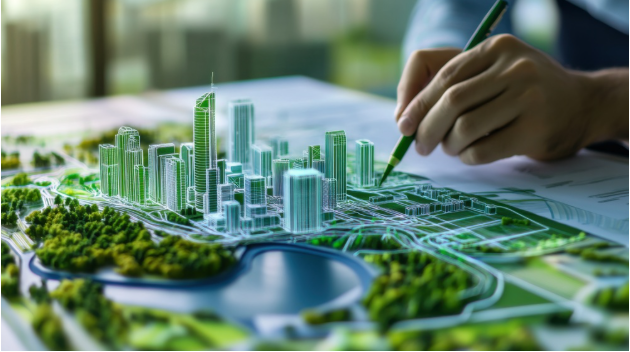

U.S. cities find themselves at a pivotal point. Continue using fossil fuels and see expenses rise as air quality deteriorates. Or transition to renewable energy and see communities thrive. The choice appears clear, but every city encounters unique difficulties when making the transition. Embracing sustainability signifies various meanings in different locations. A town in the desert may equip rooftops with solar panels, whereas a city by the coast utilizes ocean winds. What succeeds in Maine might fail in Arizona. The primary objective remains unchanged, though. Reduce pollution, save costs, and create healthier communities.
How Cities Power Up with Renewables
You’ll see solar panels in any progressive city. They sit atop schools, catching rays while kids study below. Libraries use them as covered walkways. Police stations mount them over parking areas, creating shade and electricity simultaneously.
Wind power shows up in unexpected spots too. Industrial zones often have steady breezes perfect for turbines. Some cities place smaller units near highways where traffic creates constant air movement. Water treatment facilities discovered their open spaces work great for wind collection. Though a few turbines can’t power the city, they will keep the streetlights on all night.
The folk over at Commonwealth say that public buildings often serve as test sites for emerging energy solutions before residents invest their own money. A recreation center cuts its power bill by 60 percent using geothermal heating? Homeowners take notice. The fire department installs battery backup systems that work flawlessly during storms? Businesses call contractors. Success stories spread quickly through neighborhoods.
Smart cities turn trash into energy. Modern plants incinerate waste, creating steam to power turbines. Biodiesel made from restaurant grease fuels city trucks. Methane from yard waste fuels generators. Yesterday’s trash powers today’s electricity. Visit Commonwealth for more information.
Smart Grids Connect Everything
Old power grids pushed electricity from plant to plug; nothing fancy about it. Today’s smart systems create genuine conversations between providers and users. Overnight, washing machines wait to start when the rates are cheaper. Surplus power from rooftop solar can spin meters backward.
LED streetlight upgrades offer benefits beyond energy savings. Brightness changes with motion sensors. Streets stay dim until someone passes, then briefly brighten. Rush hour intersections stay fully lit, dimming after midnight. Advanced fixtures have phone and scooter chargers.
Renewable power is now practical thanks to storage tech. Giant battery banks absorb noon sunshine for evening use. Night wind is stored for morning peak usage. These reserves power hospitals, emergency services, and cooling centers during blackouts. Storage turns intermittent renewables into stable power.
Benefits Beyond the Environment
Local workers land good-paying jobs installing panels, maintaining turbines, and upgrading buildings. Governments redirect energy savings toward teachers’ salaries and road repairs. Home prices climb in areas known for environmental leadership. Downtowns appeal to eco-conscious tech firms.
Cleaner air directly leads to better health. Asthma rates drop. Kids miss fewer school days. Seniors spend less time in emergency rooms during heat waves. Athletic teams practice outside without worrying about air quality warnings. Parents push strollers through parks without exhaust fumes burning their throats.
Leading by example fosters civic pride. Graduates aren’t leaving after college. Green businesses are launched by entrepreneurs who know they have customers. Neighboring towns visit to learn what works, creating friendly competition that benefits everyone.
Conclusion
Cities nationwide prove daily that renewable energy delivers real results. They show skeptics that economic growth and environmental protection complement each other perfectly. Every solar installation, electric bus route, and efficiency upgrade pushes communities toward self-sufficiency. Change happens gradually, then suddenly. Cities starting their clean energy journey today become tomorrow’s success stories. The transformation involves more than swapping power sources; it’s about creating places where families thrive for generations.